
There’s a moment most facilities people hit sooner or later: you look at the storeroom shelf (or the contractor’s trolley, or the back-of-house cupboard) and realise you’re not running a cleaning program so much as managing a museum of half-used bottles. Three “all-purpose” sprays. Two different disinfectants. A degreaser that “works great” but smells like a tyre fire. Something unlabeled that nobody will admit they bought.
Now stretch that problem across Australia. Multiple sites, different teams, different levels of training, different suppliers, different delivery schedules. Suddenly, “just order the usual chemicals” becomes a small operational risk.
If you’re trying to source commercial cleaning chemicals shipped across Australia, the trick isn’t finding products. It’s building a setup that stays consistent when the day gets messy: staff turnover, regional deliveries, urgent spills, surprise audits, and that one bathroom that always smells like it’s fighting for its life.
Here’s the more human version of what matters, based on the patterns that trip people up.
Bulk buying: The savings aren’t where you think they are
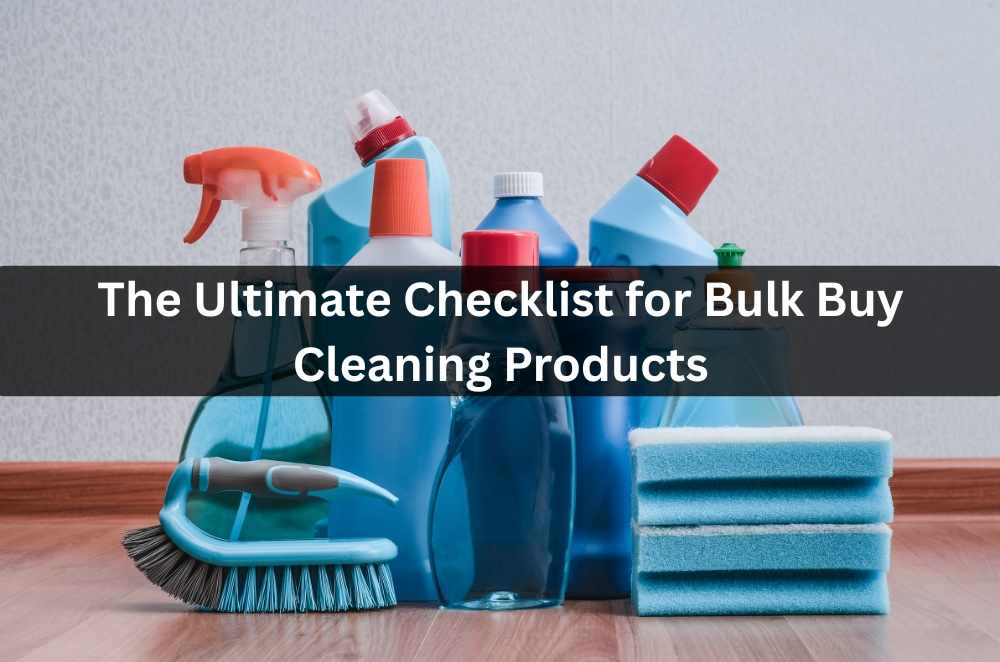
People love the idea of bulk because it feels efficient. Bigger containers, better unit price, fewer orders. That’s often true when you're choosing from a trusted range of cleaning supplies. Sometimes bulk is just how you end up with five litres of the wrong thing and no one brave enough to use it.
The real savings come from control, not size.
Dilution: The silent budget leak
If staff are free-pouring chemicals, you’ll see “we’re going through it quickly” long before you see an obvious mistake. Overdosing is common because it feels safer and more effective. But it often leaves residue, creates more rinsing, and can actually make surfaces attract dirt faster.
Even simple measures—labelled squeeze bottles, measuring cups, clear dilution instructions—can pull usage back to earth.
Consistency: The training shortcut
If each site has its own little collection of “preferred” chemicals, your training becomes never-ending. People transfer from one location to another and start guessing. Contractors bring their own substitutes when they can’t get the same product you use elsewhere. That’s how you end up with the wrong chemical on the wrong surface.
A tight, predictable set of products is boring—in the best way.
Packaging: Match the people doing the work
A 5L container might be perfect for a storeroom with good decanting practices. It’s a disaster if you’re asking someone to carry it one-handed while unlocking a cleaner’s cupboard and trying not to spill it onto the carpet.
Think about who handles it, where it’s stored, and how it’s used. Sometimes, ready-to-use formats or smaller containers reduce waste because they reduce accidents and “near enough” measuring.
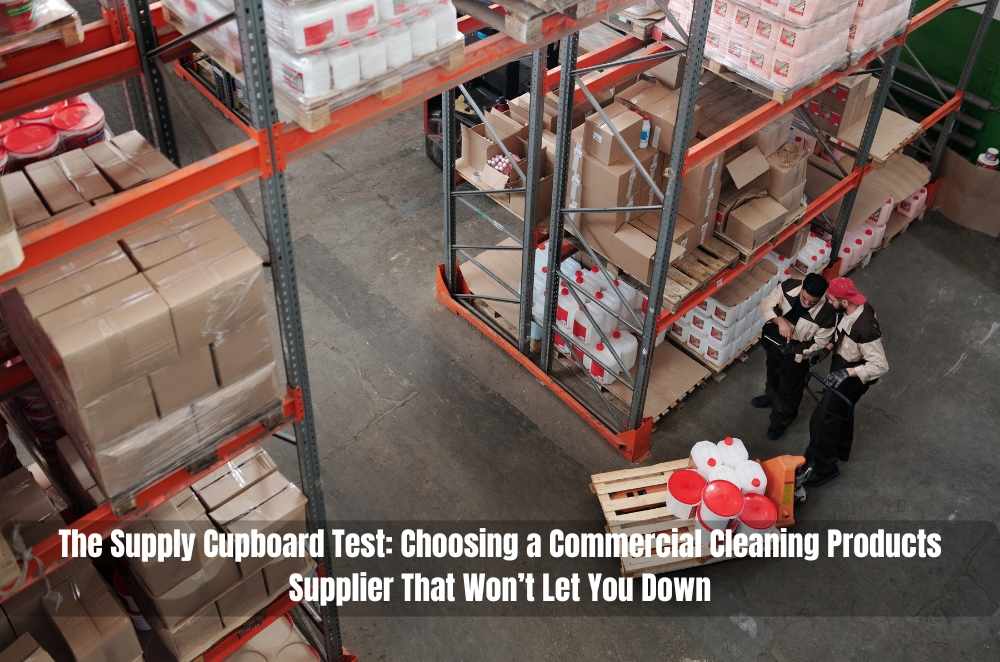
Australia-wide shipping: Reliability is more than delivery speed
When you’re shipping chemicals across Australia, the first concern people mention is delivery time. Fair. Nobody wants to run out of sanitiser on a Friday afternoon.
But the bigger operational issues tend to be:
The same order arriving in different “versions”
This happens when a supplier is out of stock, or different branches fulfil different locations, or a contractor substitutes on the fly. You might still get a “degreaser”, but it’s not your degreaser—so the dilution changes, the smell changes, the label changes, and the SDS folder is suddenly missing the right document.
If you’re standardising, you want a supply chain that doesn’t quietly remix your system.
Leaks and damaged packaging
With chemicals, a small leak is not a small problem. It’s wasted product, extra handling, sometimes a spill response, and occasionally the kind of story nobody wants to write up in an incident report.
Packaging integrity and sensible freight handling matter. It’s unglamorous, but it’s the difference between “we ordered it” and “we can actually use it”.
Documentation that doesn’t become a scavenger hunt
SDS access and correct labels matter more when you have multiple sites. The goal is simple: if someone asks, “What’s in this and what PPE do we need?”, you can answer without panic. If you’re juggling many products across locations, tidy documentation becomes your best friend.
Build a small chemical “system” by area
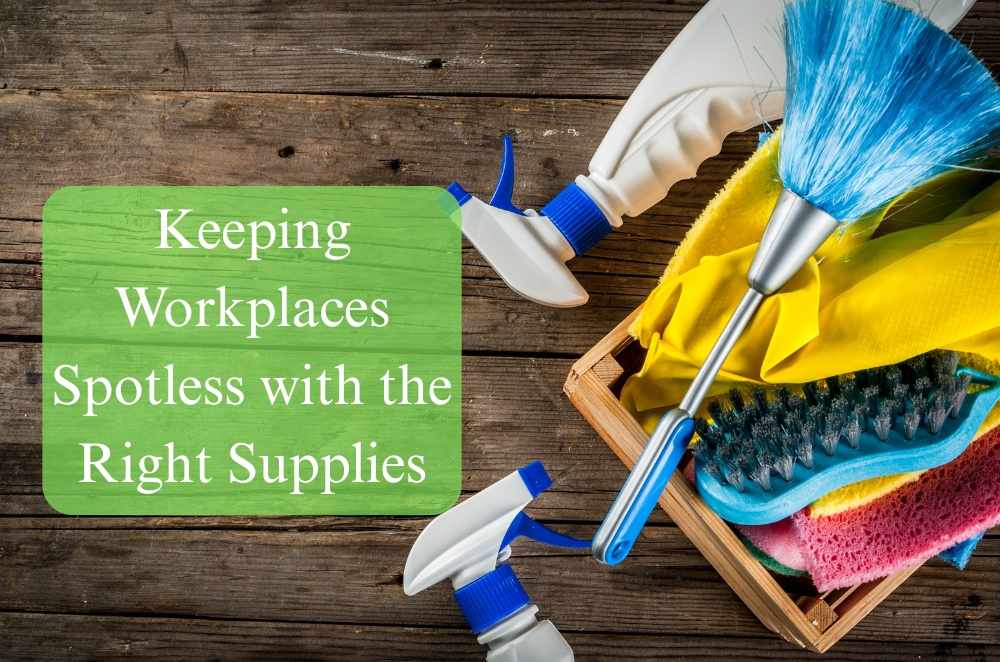
If you want your cleaning chemicals to behave across different states and sites, it helps to think in systems rather than shopping lists.
Here’s a practical structure that works in a lot of commercial environments:
Washrooms: Separate the jobs
Washrooms are where shortcuts go to die. One product rarely handles toilet scale, basin grime, and odour issues equally well. When washroom complaints rise, people often escalate strength (and smell) instead of choosing the right type of product for the specific problem.
A washroom setup usually needs:
Something for scale build-up
Something for general surfaces
Something that helps with ongoing odour management
Kitchens and food areas: Grease and scale are a duo
Grease is obvious. Scale sneaks up on you—dishwashers, kettles, taps, tiled splashbacks. When scale isn’t handled, it looks like poor cleaning, even when people are working hard.
Floors: The place where “clean” and “safe” overlap
With floors, you’re managing more than appearance. Residue can make floors dull and attract dirt faster; the wrong chemistry can affect finishes; and slip risk is never just theoretical.
A sensible floor range should make it easy to keep results consistent without turning every mop bucket into a chemistry experiment.
Disinfectants: Consistency beats drama
Disinfectants tend to attract bold marketing language. What matters in real workplaces is that staff use the right product correctly, at the right dilution, for the right surfaces, with enough contact time. Consistency and clarity beat “the strongest thing we could find”.
A grounded way to shop without drowning in options
If you’re trying to set up or refresh your chemical range, it helps to browse by job type rather than chasing whatever is trending. A category page that groups products sensibly—washroom, floors, disinfectants, eco options—can make it easier to build a coherent list.
For example, you can scan a wide range of options via commercial cleaning chemicals shipped across Australia (AC Cleaning Supplies) and use the category structure to sanity-check what your sites actually need versus what’s just accumulated over time.
The goal isn’t to buy more. It’s to buy fewer things with a clearer purpose.
Key Takeaways
The best chemical setups start with the grime and the surface, not the boldest label.
Bulk buying only works when dilution and handling are controlled—otherwise it turns into waste.
Australia-wide shipping adds hidden requirements: consistent fulfilment, packaging integrity, and easy documentation.
Build a small “system” by area (washrooms, kitchens, floors, disinfectants) to reduce errors and training load.
Eco-friendly and compliance-focused options can be useful, but only when you’re specific about where they fit.
A coherent product range matters more than having “the strongest” chemical on the shelf.





Write a comment ...