
You can tell a lot about a workplace by opening the cleaning cupboard.
In a calm, well-run site, it’s usually boring (in the best way): labelled bottles, predictable refills, a mop head that doesn’t look like it’s lived three lives, and the same paper and bin liners turning up week after week. In a stressed site, it’s chaos: half-used bottles with faded labels, three different “all-purpose” sprays doing four different jobs, a mystery decanter that no one admits to mixing, and someone quietly rationing hand towels because the delivery didn’t arrive.
That cupboard is the real “review” of a commercial cleaning products supplier. Not a brochure. Not a price list. The cupboard.
If you’re sourcing supplies for a cleaning business, a facility, or multiple sites, the supplier you choose shapes whether cleaning is a repeatable process—or a daily improvisation. And in commercial settings, improvisation is where costs and risks hide.
The problem most teams don’t name: Inconsistency
When people complain that “the cleaning isn’t as good as it used to be,” they’re often noticing outcomes that come from supply drift:
The bathroom cleaner changed, so the scale comes back faster.
The degreaser is weaker (or stronger), so staff overuse it to compensate.
Bin liners tear, so bins get double-bagged and the storeroom empties quicker.
Cloth lint, so glass looks “dirty” even when it’s clean.
Nobody calls this “supplier inconsistency.” They call it poor cleaning. But it’s usually the system behind the cleaning.
A solid supplier makes the boring stuff easy: the same products, the same pack sizes, and clear guidance so different people can get the same results.
Start with how your site actually gets dirty
“Commercial cleaning” is a big umbrella. A medical reception, a café, a warehouse, and a corporate office can all look clean at 9 am and completely different by 2 pm.
A quick reality check helps you buy smarter:
Surfaces: Sealed concrete, vinyl, tile/grout, stainless steel, glass, carpet, timber, painted walls
Soils: Grease, food spills, body oils, dust, ink/marker, mineral scale, mould-prone damp corners
Frequency: Daily touchpoints vs scheduled deep cleans
Who’s doing it: Trained cleaners, rotating staff, contractors, after-hours teams
The more varied your environments, the more you need a supplier that can support both everyday routines and specific edge cases—without pushing you into a new product every week.
A “good range” isn’t endless. It’s organised.
If you’ve ever scrolled a supplier’s shop page and felt your brain shut down, you’re not alone. A massive catalogue is only helpful if it’s structured in a way that matches real work.
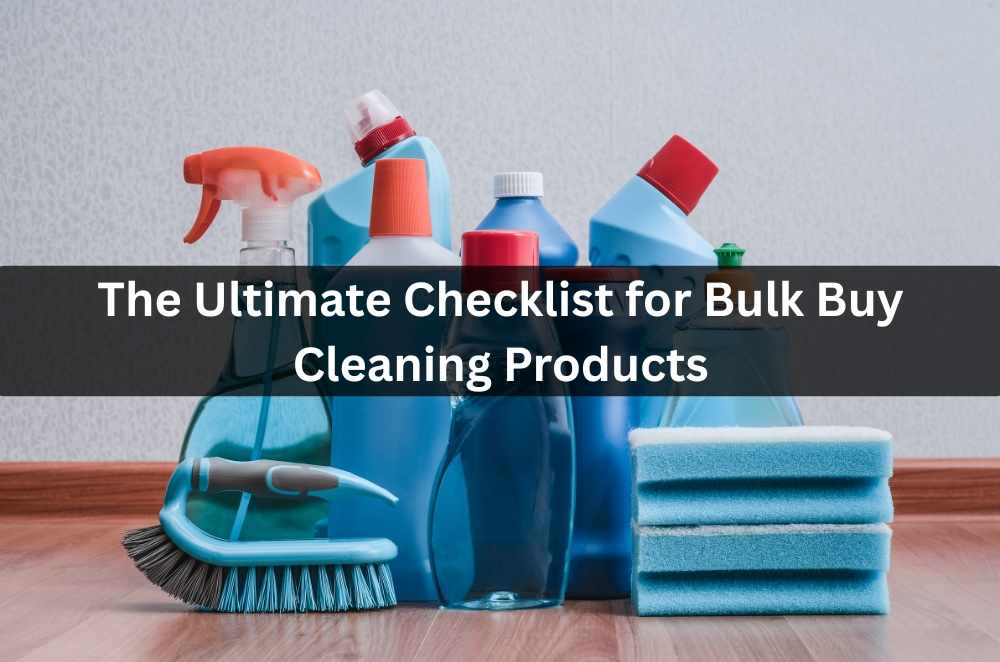
In practice, a strong commercial range tends to cover four areas well:
Chemicals that map to tasks (and don’t punish mistakes)
You’re looking for a clear separation between:
Daily neutral cleaners (the reliable workhorse)
Degreasers (kitchens, workshops, loading docks)
Bathroom/scale removers (where mineral deposits are a thing)
Disinfectants/sanitisers (only where your risk profile requires them)
Floor care products that match your finish and routine
The human test: could you explain the difference between two similar-looking bottles to a new staff member without giving a chemistry lecture? If not, it’s a sign the range (or labelling) might be too confusing for a busy site.
Consumables that don’t quietly blow your budget
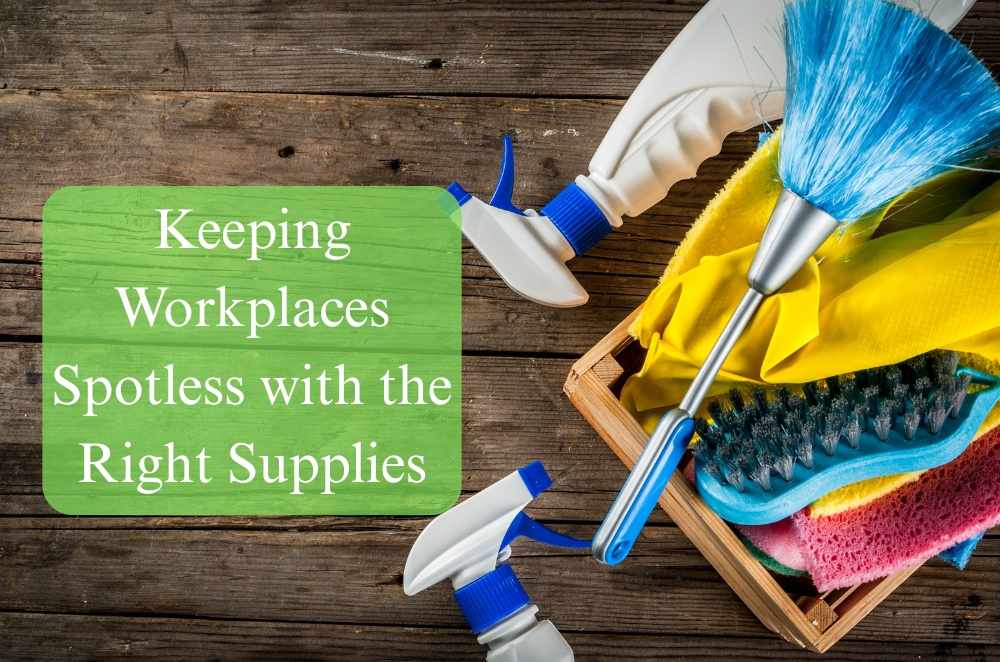
Paper products, gloves, bin liners, cloths, pads, wipes—these are the items that disappear without you noticing until you’re suddenly short.
Here’s what “bad consumables” look like in the real world:
Cloths that don't shred or lint, so cleaners use two instead of one
Bin liners that split, so bins get double-lined
Paper that tears, so people pull more sheets
A supplier that treats consumables seriously helps you standardise the items people touch every day—the ones most likely to cause complaints when they change.
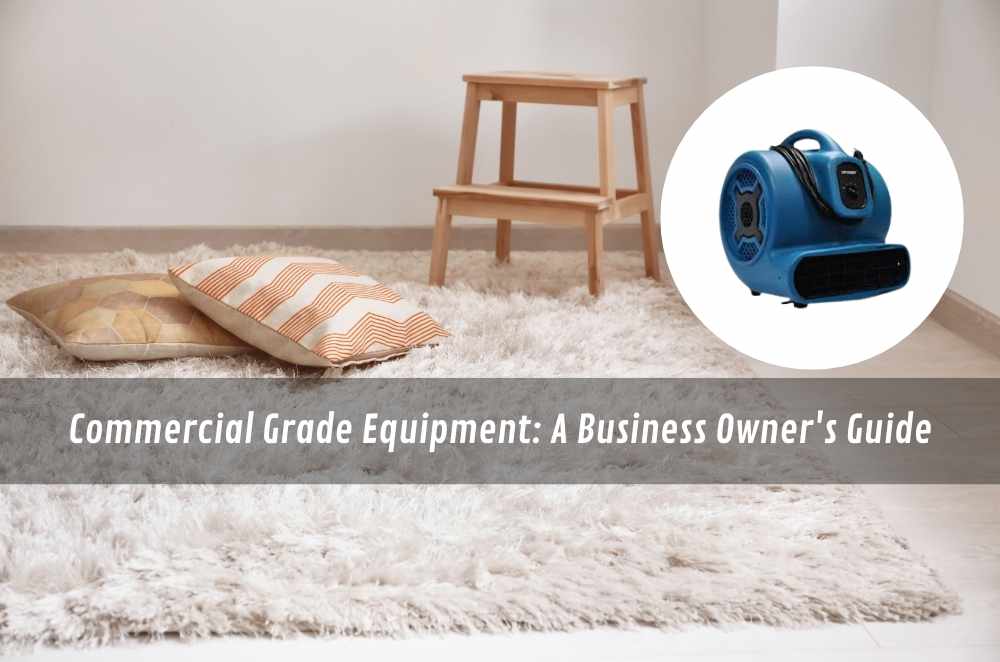
Tools and small gear that keep things consistent
In commercial cleaning, little things are big things: labelled bottles, decent triggers, the right pads, functional squeegees, mop heads that actually match the mop.
This is where a supplier can either support consistency—or force you into “whatever we found at the hardware store” purchasing, which is how kits become a random assortment of mismatched parts.
The safety question nobody wants to ask (but everyone should)
A lot of people sourcing cleaning supplies aren’t trying to be chemists. They’re just trying to keep a site clean, stocked, and safe. But safety still lands on your desk when something goes wrong.
Two common risk moments:
Over-strength cleaning: “More is better,” so staff use too much product, causing residue, surface damage, fumes, or slippery floors.
Mixing and mismatch: A product is substituted in a rush, and suddenly the routine doesn’t fit the surface, the equipment, or the process.
A dependable supplier helps reduce these moments by keeping product lines stable and instructions straightforward—so teams don’t have to guess.
Stock reliability is what keeps standards from sliding
There’s a particular kind of downgrade that happens when supplies are unreliable. It’s not dramatic. It’s incremental.
A key item is out of stock. Someone buys a substitute “just for now.” Staff adapt. Then the original item returns, and now you have two versions of the same product floating around. Training becomes “use whichever one’s there.” Quality becomes variable. Complaints start. People blame the cleaners, the site manager blames the contractor, and the storeroom keeps telling the real story.
When you assess a commercial cleaning products supplier, don’t just look at what they sell—look at whether you can build a stable, repeatable order list that won’t constantly change.
The moment when a supplier choice really matters: multiple sites
Single-site purchasing has its own headaches, but multi-site purchasing turns small issues into big ones fast. One change in a product line becomes a training issue across teams. One supply gap becomes a consistency issue across locations.
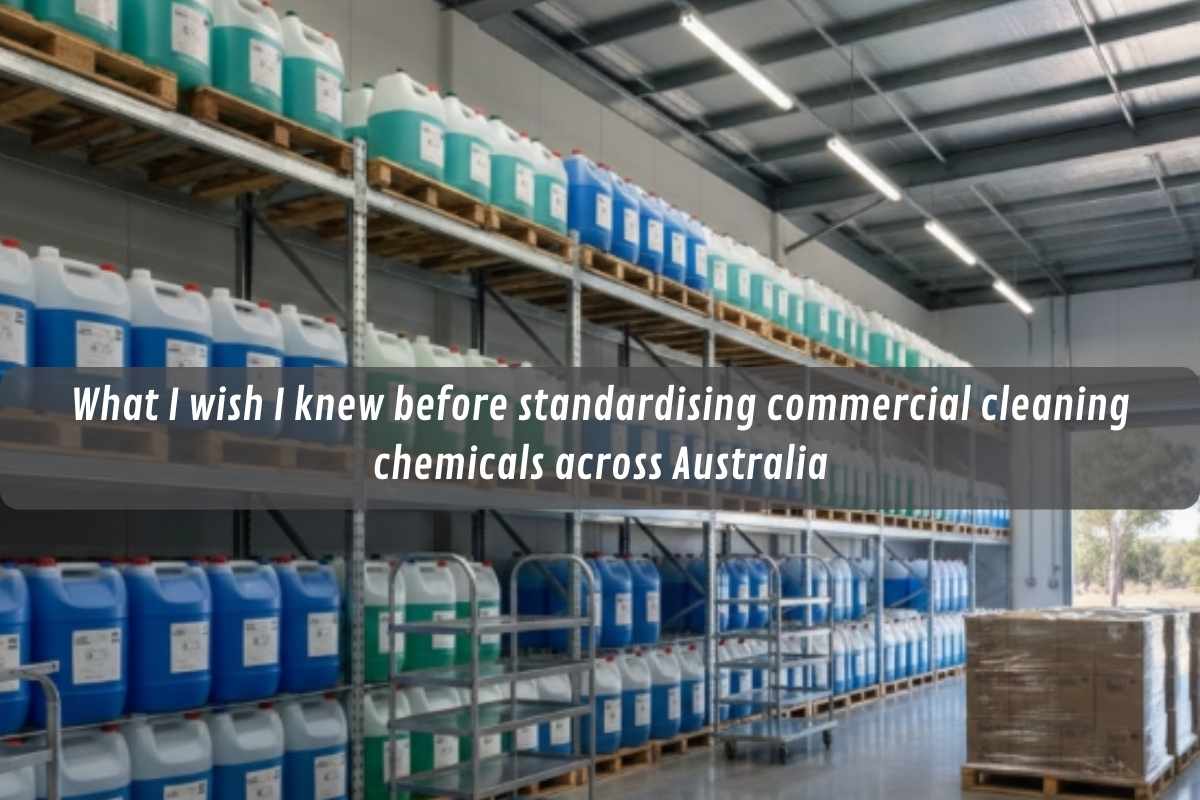
This is where many buyers start to prefer wholesalers and distributors who are set up for commercial ordering and broad supply needs (rather than ad-hoc retail buying). For example, some suppliers describe themselves as wholesalers/distributors of paper products, cleaning materials, chemicals, and equipment, with a service focus based in Sydney and a supply that reaches wider customers.
A grounded next step if you’re reviewing options
If you’re trying to get a feel for how a supplier “thinks,” look at how their range is organised: do they separate chemicals, paper, dispensers, PPE, floor tools, and specialist items in a way that mirrors real cleaning work? A broad shop catalogue can give you a quick sense of whether standardising your core list will be straightforward.
If you want a concrete place to start, you can browse the main catalogue at accleaning.com.au (AC Cleaning Supplies).
Key Takeaways
The cleaning cupboard often reveals the truth: consistency beats “best-ever” products if you can’t keep stock and routines stable.
Start with surfaces, soils, frequency, and who cleans—then choose products that match real use, not ideal use.
A strong supplier range is organised around workflows: chemicals, consumables, tools, and clear product information.
Stock reliability prevents risky substitutions and keeps training simple across teams.
Compare suppliers using a core list of everyday items, then judge coverage, clarity, and continuity—not just headline prices.






Write a comment ...